Tuesday, November 27, 2012

Eastern European Adventure - Biking

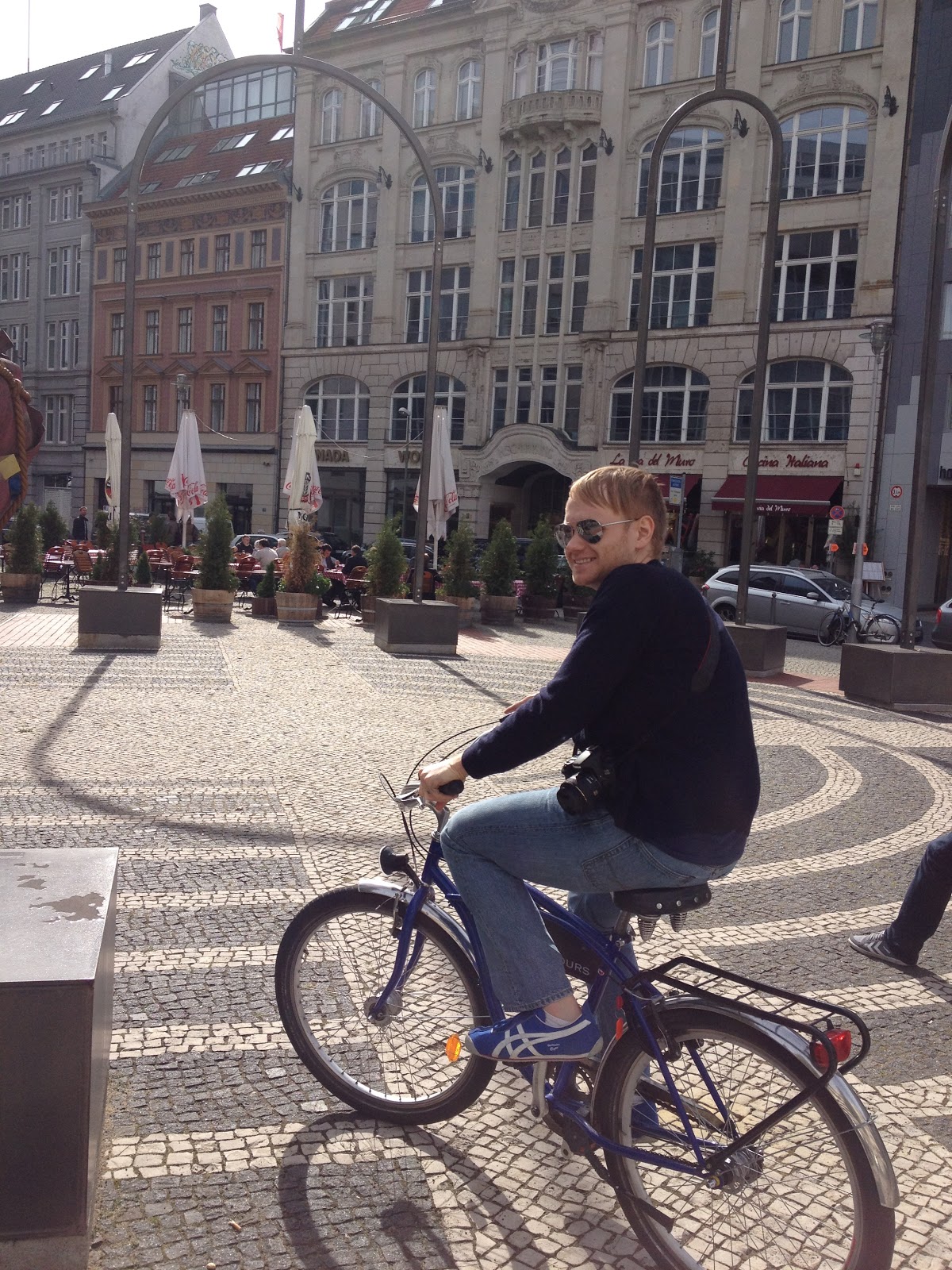
We loved biking around the various cities. It was a great way to see the sights and really get a feel for each city. Our first experience was in Berlin with the Fat Tire Biking company. Our tour guide, Francis, was extremely friendly and incredibly knowledgeable. We immediately dropped our bags off at our hostel and met up with the bike tour. We biked for four hours and instantly fell in love with Berlin. Berlin is spread out and flat, so we found biking to be the perfect way to see everything. 

In Bled, Slovenia, in the early morning we borrowed bikes from our penzion and rode around Lake Bled as the mist was burning off and the sun revealed the stunning mountains and scenery. 

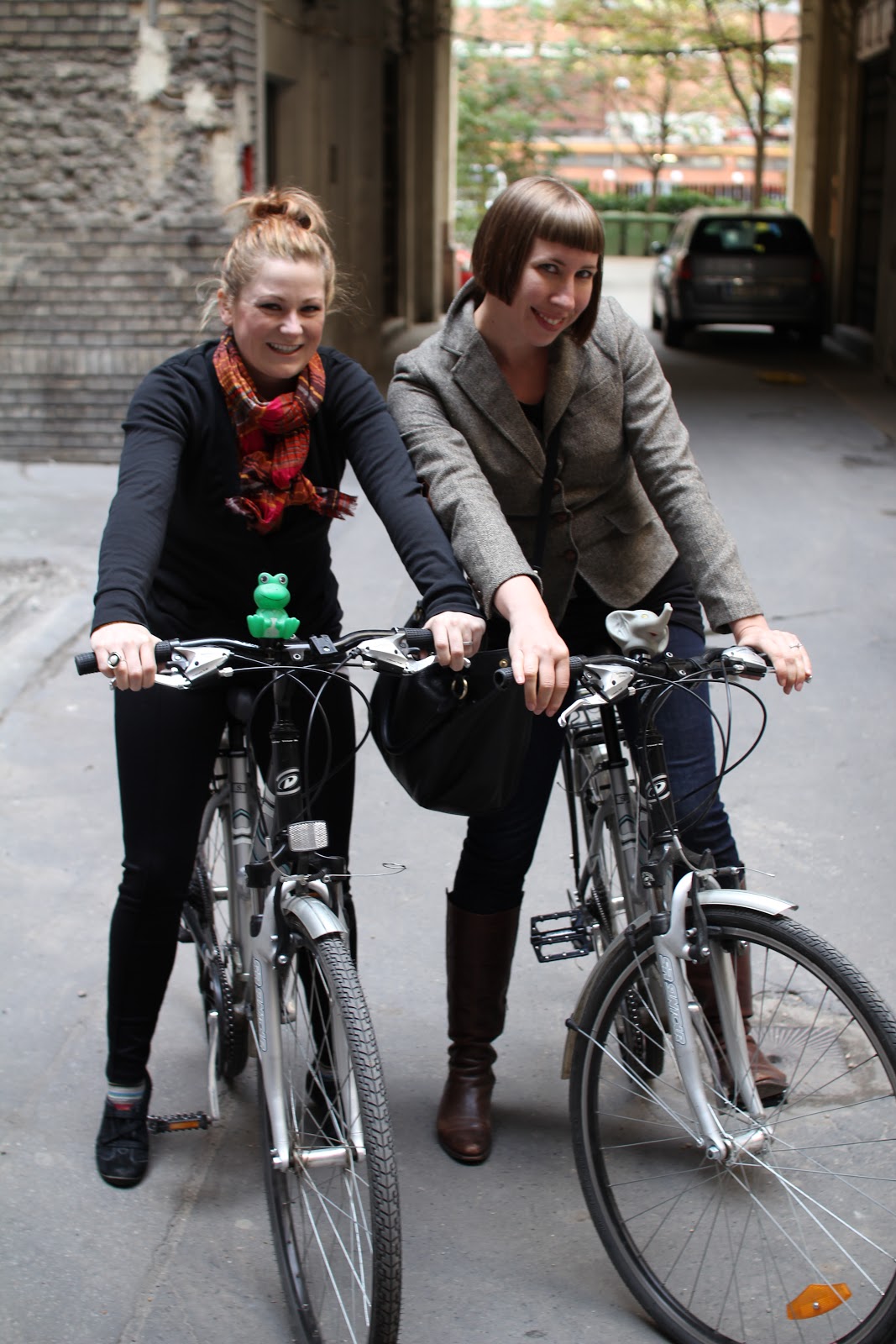
In Budapest, we joined up with a small biking tour as well. Buda, located on the west side of the Danube is incredibly hilly and steep. We braved the hills to enjoy the spectacular view from the castle on the hill. Pest, on the east side of the Danube, is much more flat, so that ride was smooth riding. 


Berlin, Germany.


Bike tour!

Our group in front of Reichstag, German Parliament.

If you're happy and you're biking...uhhh...ride your bike?

Riding through Tiergarten, a large quiet park in central Berlin.

On our early morning bike ride in Bled, Slovenia.

Whizzing by at the speed of an average sized man riding a bicycle.


Before embarking on our last bike tour in Budapest.

A squeaker to alarm dogs, tourists, and children.
**ahh-woooo-gaaa**


Budapest, Hungary.

Eastern European Adventure - Around Budapest

Ahh Budapest. For a city that has just become a democracy in our adult lives, after the 1989 transition from communist rule, this place has come very far. Nestled on the banks of the Danube, it is such an old, old city (the area was settled by the Celts in 1 AD and then occupied by the Romans in 106 AD) and is emerging as a very new and modern city. It's wild to see the collection of old statues of the communist dictatorship from behind the Iron Curtain - all of which were immediately removed from the city and can now be seen at Momento Park. We loved the natural thermal baths and spas, especially. It was a great destination for the end of our travels.  


On our train to Hungary, the train suddenly stopped in the middle of nowhere. Of course, no one spoke English.
Ummm guys? Where are we?
Looks like a fun time! Luckily we figured out it was just a slight detour because of rail maintenance.
The Hungarian Parliament building.
The National Opera House.

The Széchenyi Thermal Bath. 

The courtyard of Buda Castle.
The many holes on the side of this building are from explosions that took place during World War II combat.
Atop the hill where Buda Castle sits overlooking the city.


The Freedom Statue, on Gellért Hill, in remembrance of the Soviet conquest of Hungary during World War II, and the Rudas Thermal Bath.

Heroes Square.
Here are statues of former kings, rulers, and historical figures.


We went to the Széchenyi Thermal Bath, built in 1913 in Neo-baroque style. Its water is supplied by two thermal springs, their temperature is 74 °C (165 °F) and 77 °C (171 °F), respectively.
We went to a Pálinka and sausage festival that was happening in the castle courtyard.
Pálinka is a strong, fruit brandy that Hungarians love. 

Great crowd, great food, great lively folk music!


As history spills into the street, you can't help but find monuments and memorials that tell a vast and often tragic history.

Along the Danube River, there are casted shoes at the site where thousands of people were taken to the river banks to be shot and thrown into the river.


Hungarian Parliament.